
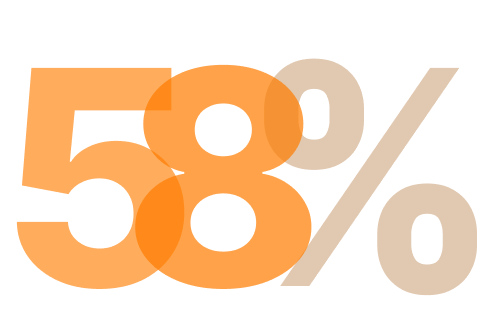
for Clarity, Accessibility, and Usability
Simplifying navigation, improving system feedback, and designing for accessibility in a multi-modal AI system.
Robotics Engineering
AI / Data Science
Clinical Research Team
Product & Strategy
Software Engineering (Unity / Backend)
Marketing & Partnerships
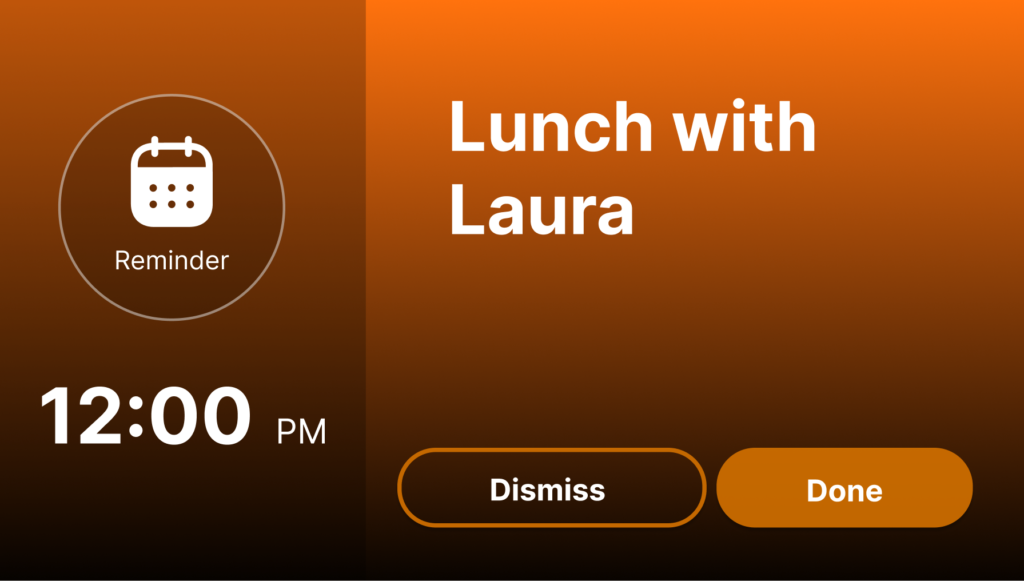
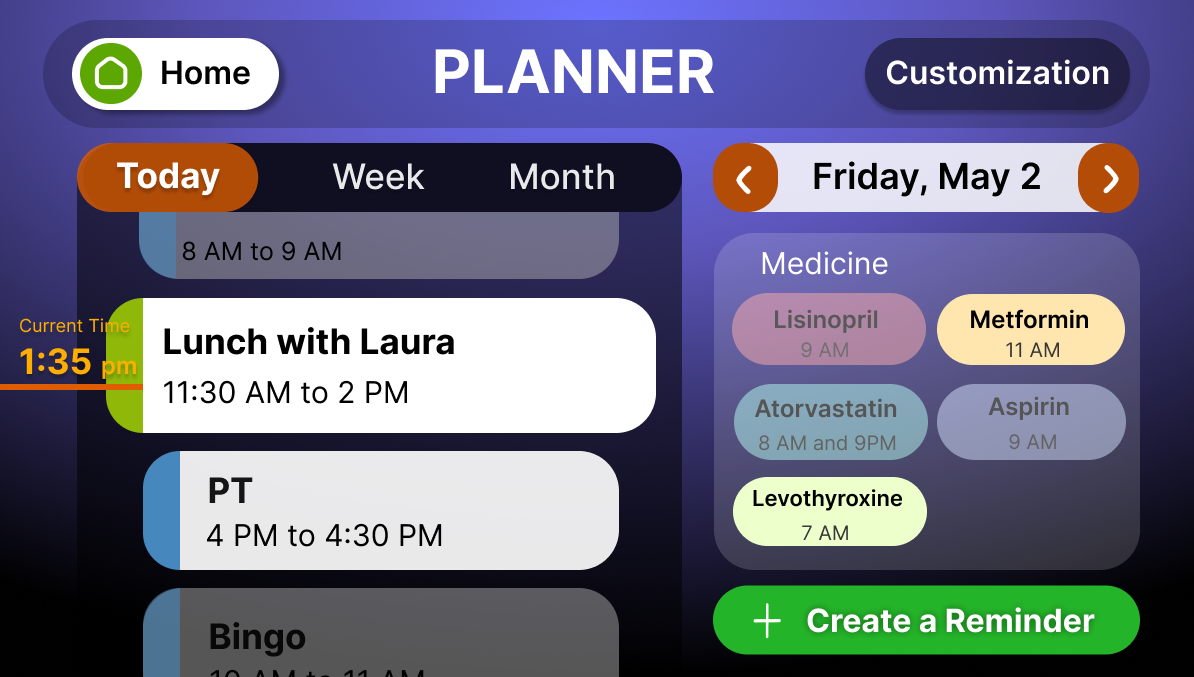
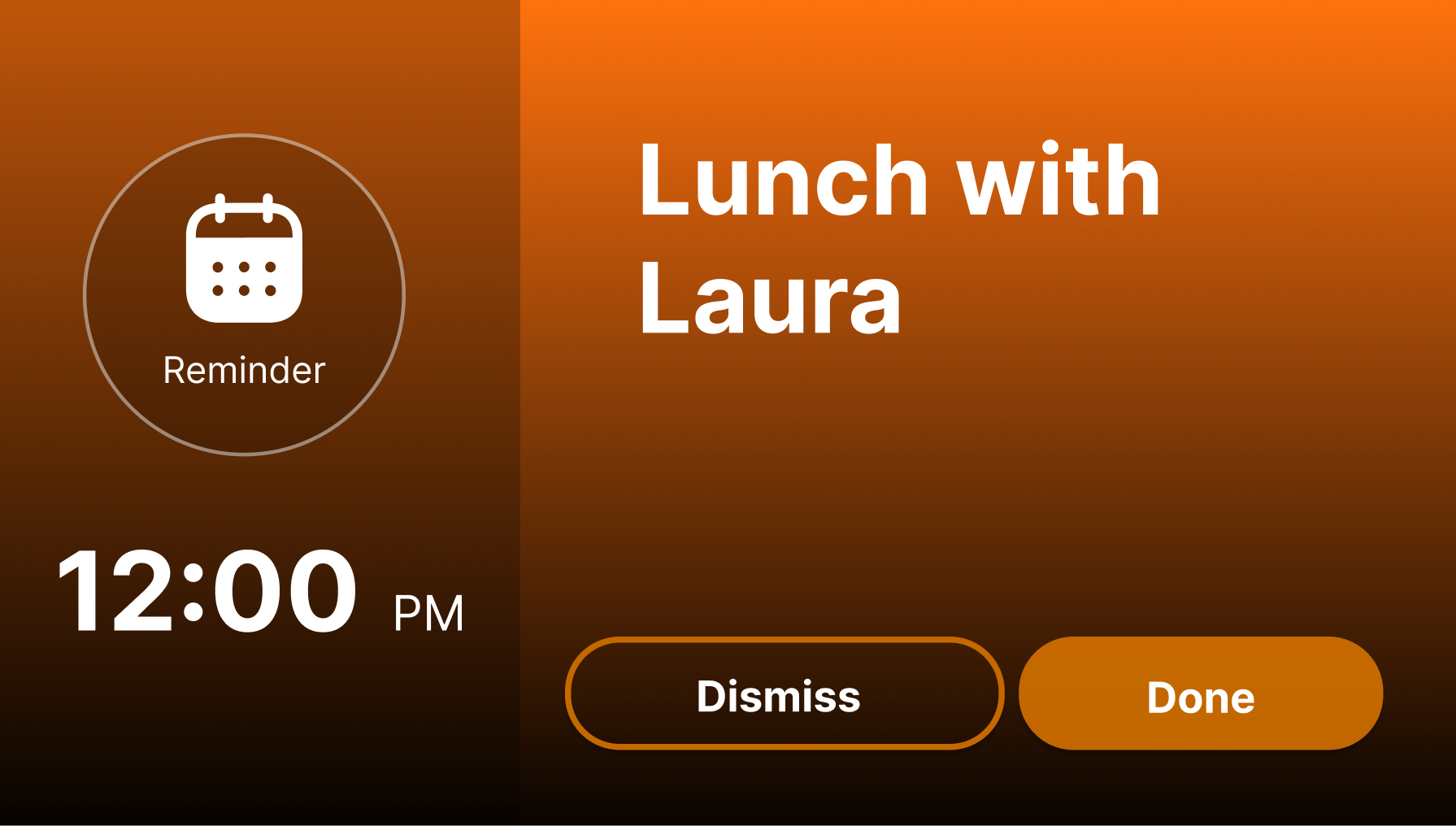
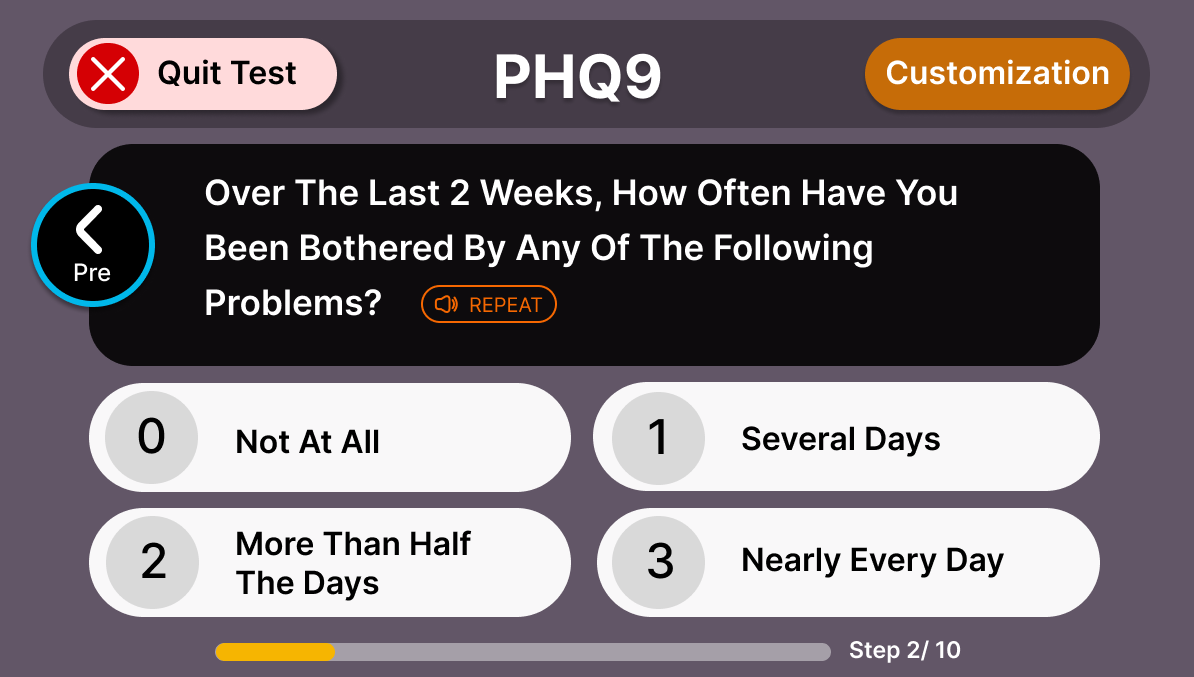
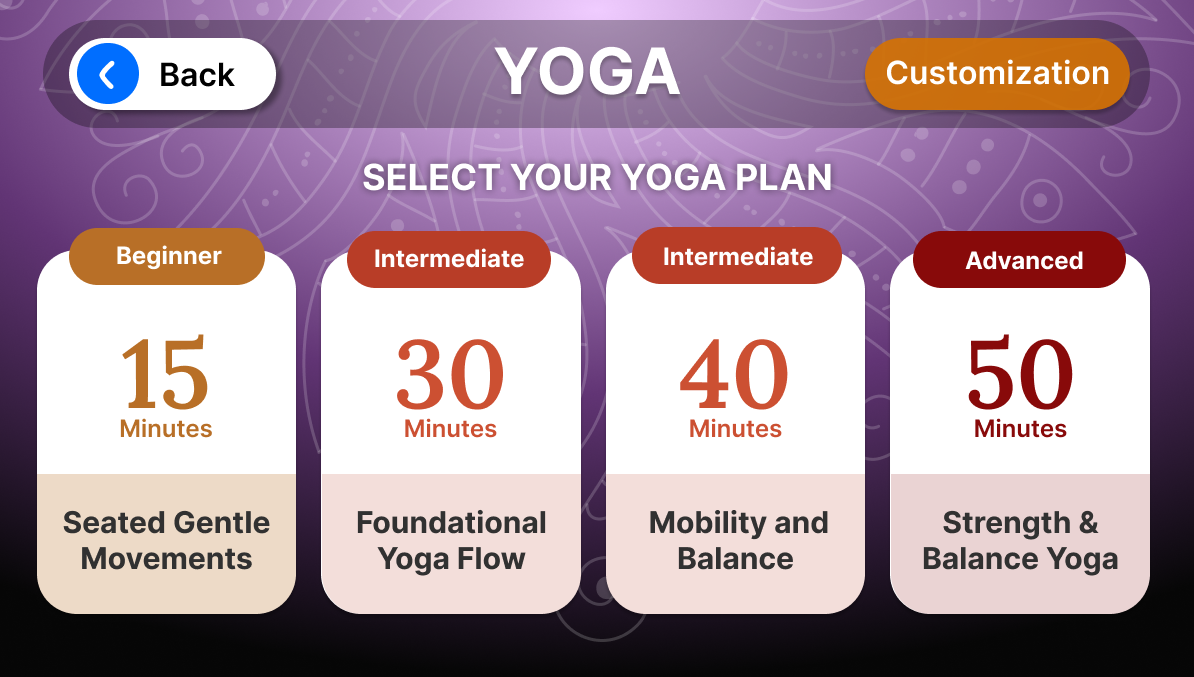
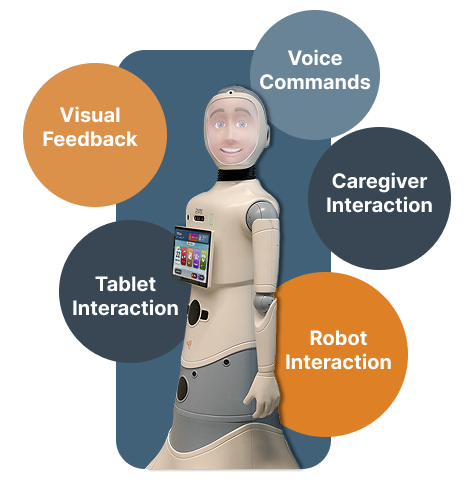
This project required designing a complete interaction ecosystem rather than a single interface. The experience included tablet UI design, voice interaction alignment, robot behavioral responses, visual feedback systems, and caregiver-facing workflows.
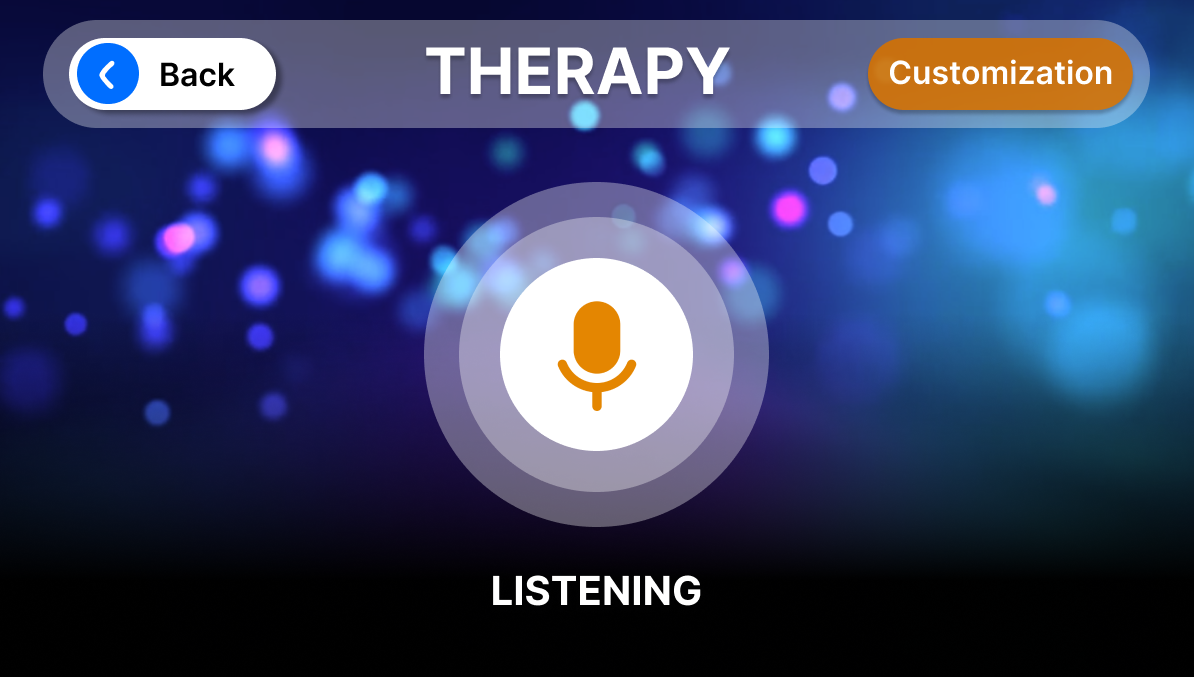
I simplified navigation, reduced reliance on scrolling, and made system feedback clear and visible. I also improved discoverability and designed for accessibility through larger touch targets and clearer visuals.
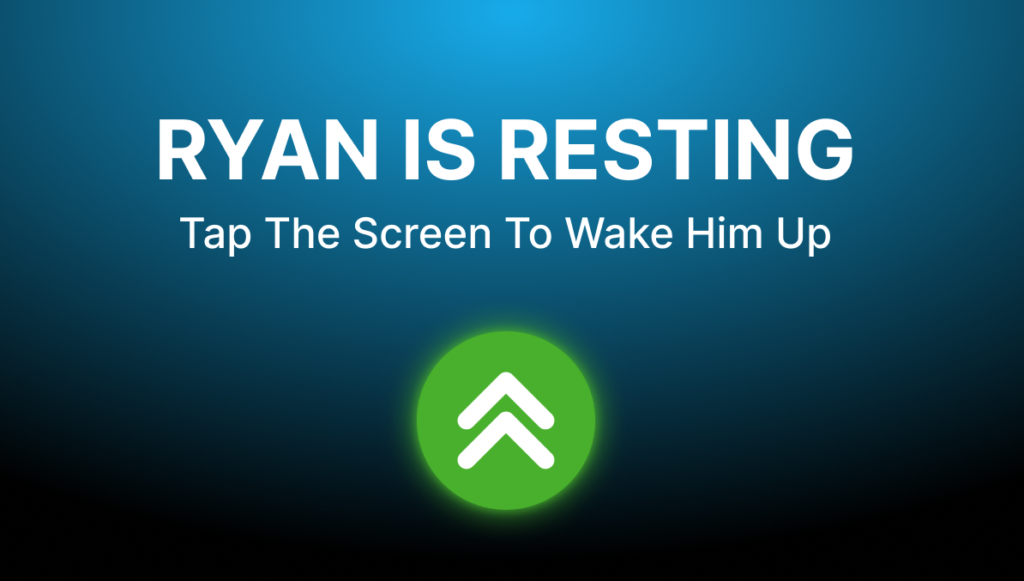
Over time, user engagement declined. Research showed that unclear system status, poor feature discoverability, and navigation that didn’t match users’ mental models led to confusion and reduced interaction.
Reduced confusion, improved discoverability, and enabled more confident, independent use. Users completed tasks more easily and engagement increased over time.
Average daily usage increased from ~30 minutes to ~1.5 hours per day after the redesign.
*small pilot group (n=4),
First-time users completed tasks with significantly fewer errors after the redesign.
Based on moderated usability tests with 12 participants aged 65-82
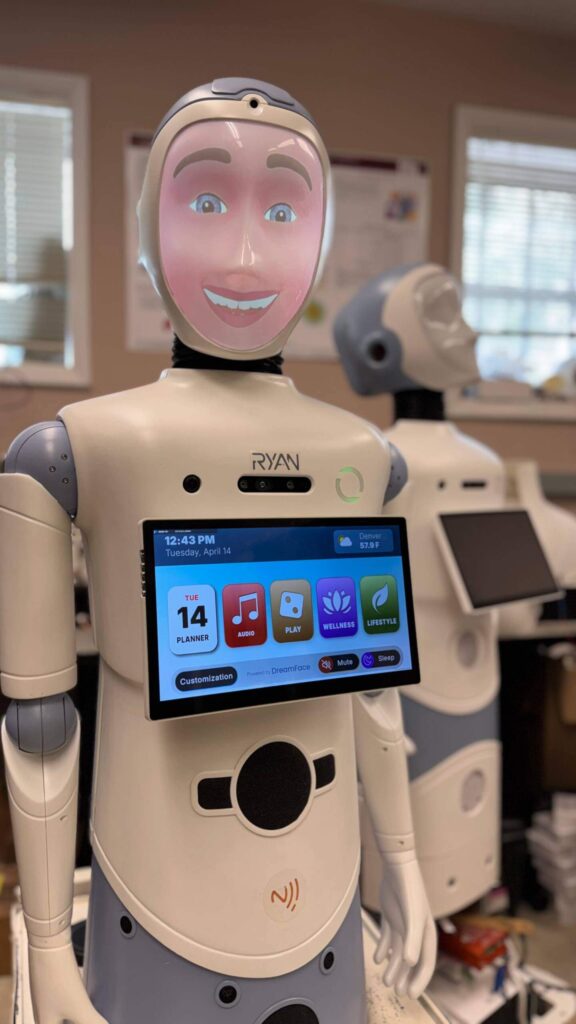
RYAN is an AI-powered wellness robot used in senior living environments. The robot provides cognitive activities, wellness programs, entertainment, and daily assistance through a tablet interface and voice interaction.
3 months
Study duration
Bi-weekly
Session frequency
4
Research methods
2 groups
Users + caregivers
Mixed-method research conducted in real-world care environments
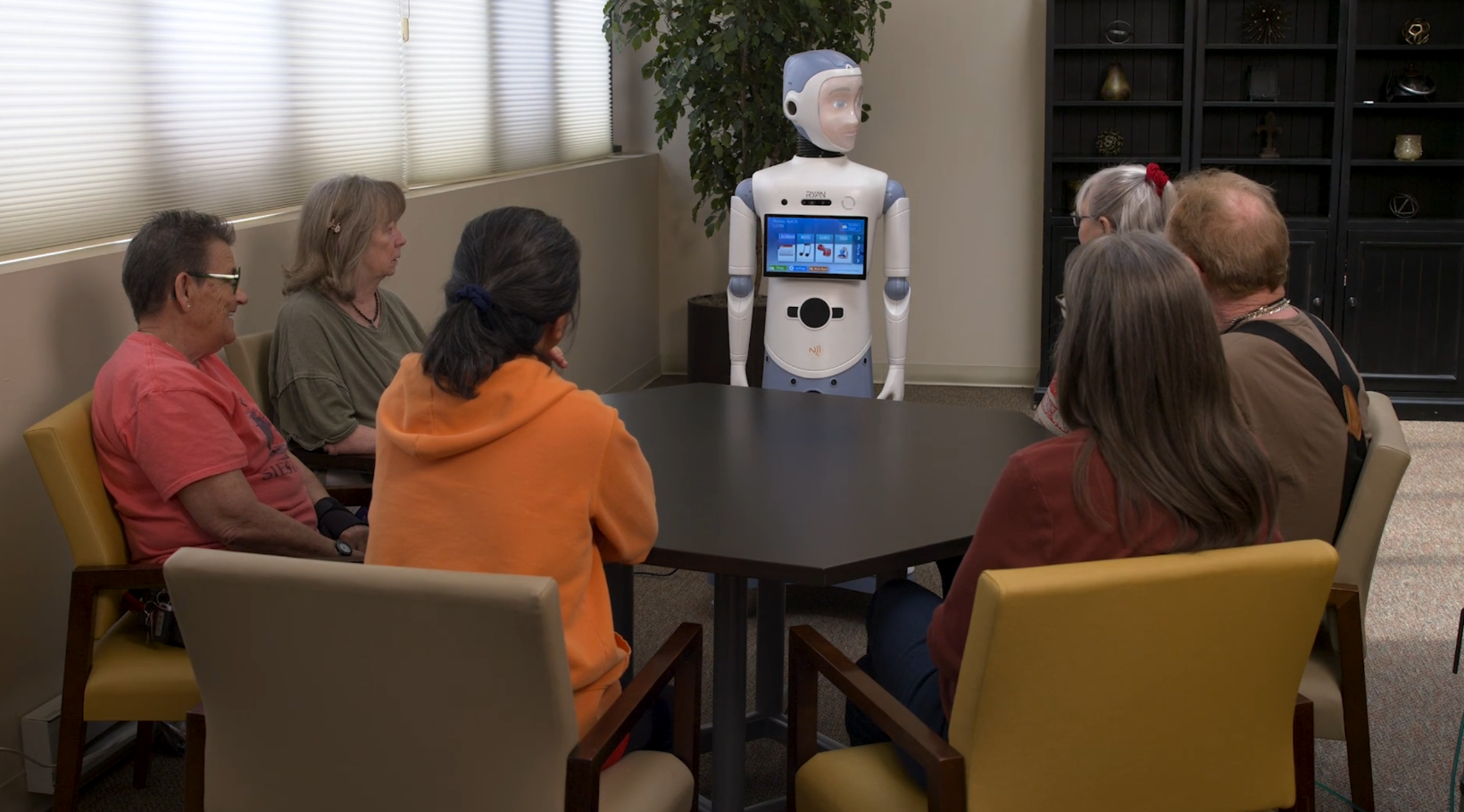
Field-based research with real users and caregivers to uncover usability issues, behavior patterns, and system limitations.
Usage data revealed declining engagement and inconsistent interaction patterns.
Sharp decline in engagement from 4–5 hours/day to ~30 minutes/day over time
Bi-weekly sessions revealed real-world interaction challenges.
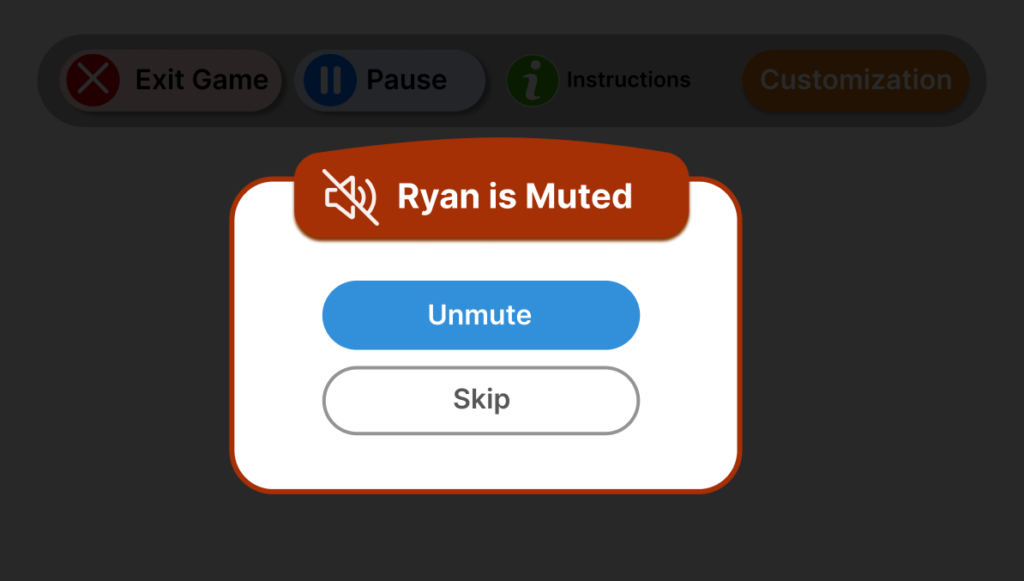
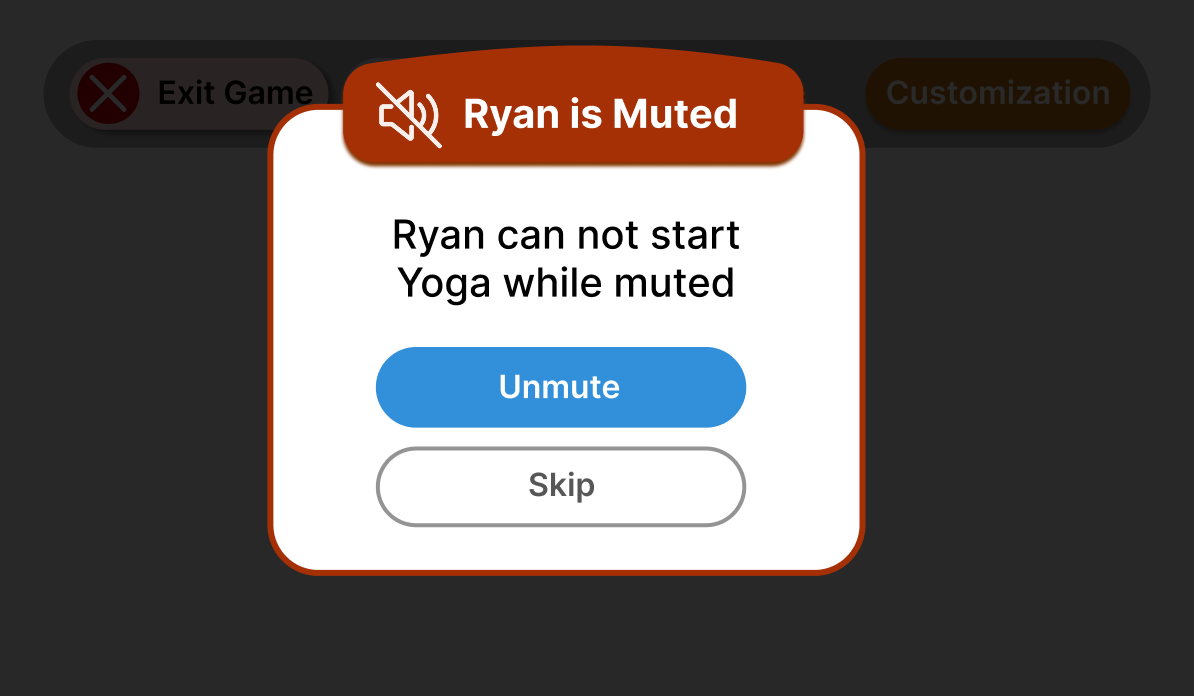
"I thought the robot stopped working, but it was just muted."
— ResidentStructured feedback highlighted usability and navigation issues.
"I knew it was there, but I couldn't find it."
— ResidentCombined perspectives revealed gaps in trust, guidance, and system clarity.
"We didn't know if it was working or if something was wrong."
— Caregiver
Key accessibility considerations derived from research, shaping interaction and visual design decisions.
Real-world behavior, accessibility needs, and trust gaps shaped key design decisions in the robot experience.
Older adults widely use the internet, but device ownership and digital fluency decline with age.
Vision and hearing limitations affect a large portion of users, shaping how information is perceived.
High telemedicine usage shows comfort with structured, goal-oriented interactions.
Robots entering care environments demand clarity and predictability at every interaction point.
Design must reduce reliance on prior experience and support first-time use.
Pew Research Center (Jan 2024) — Americans' Use of Mobile Technology and Home Broadband
Translating user research findings into actionable design improvements
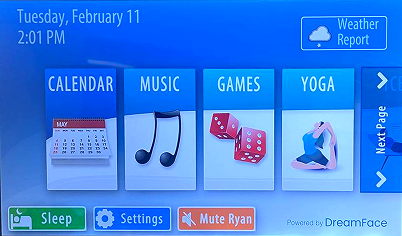
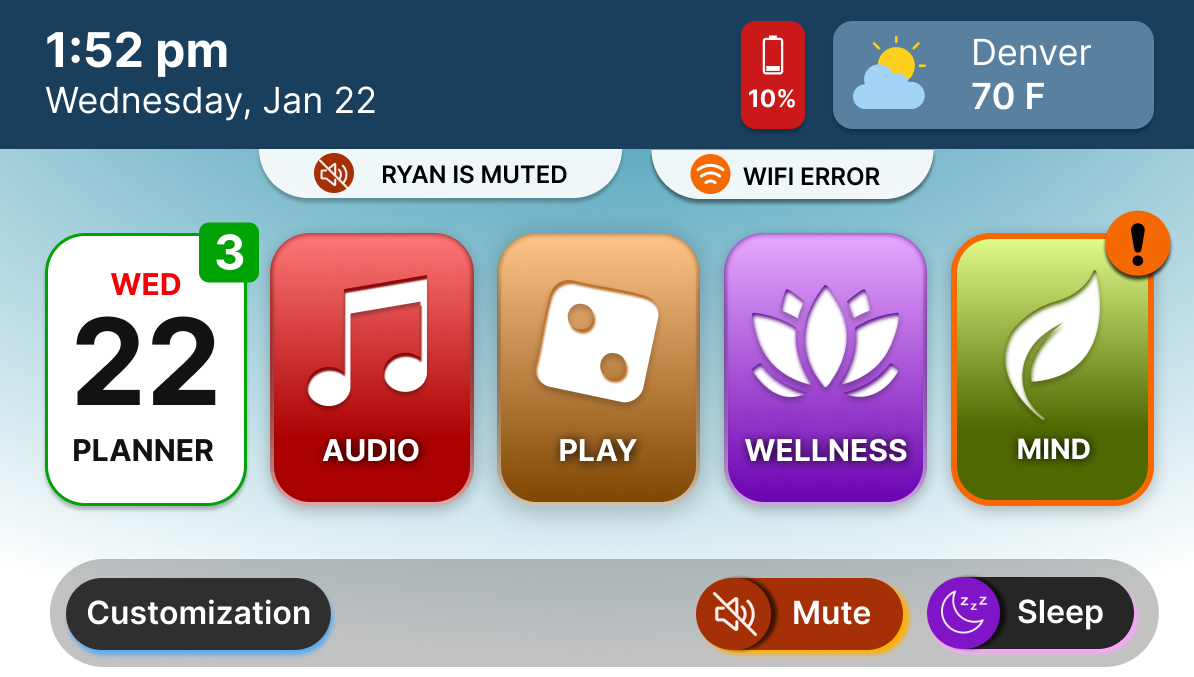
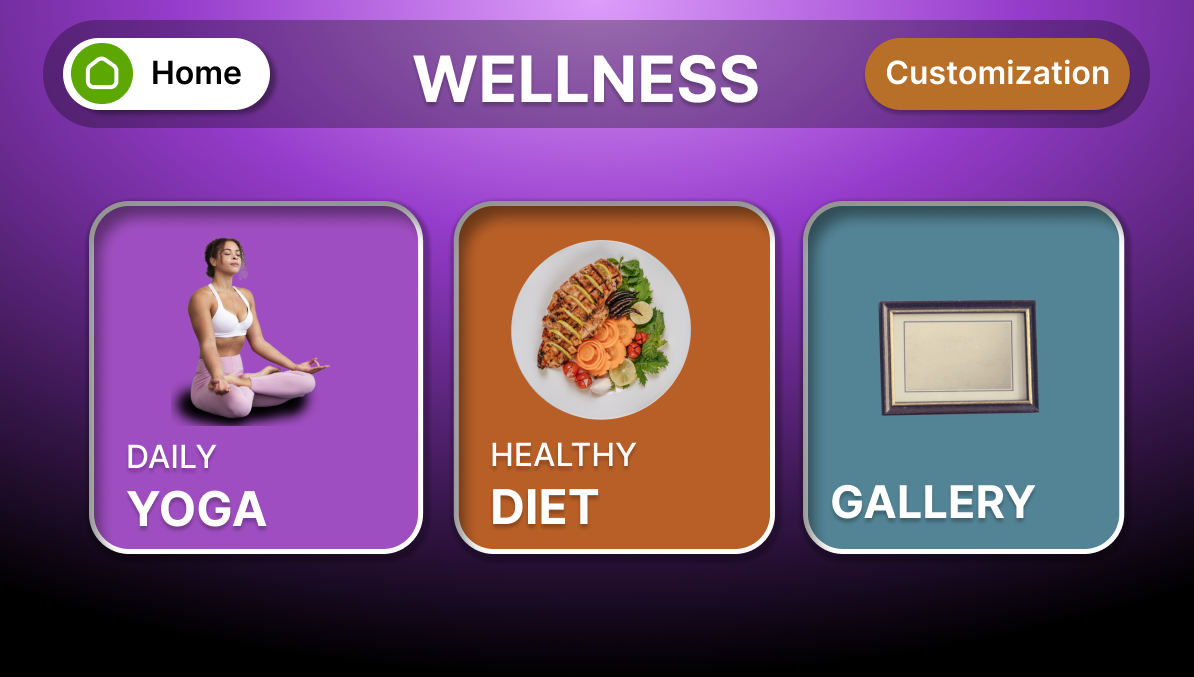
After (Redesigned Navigation)
Before (Original Interface)
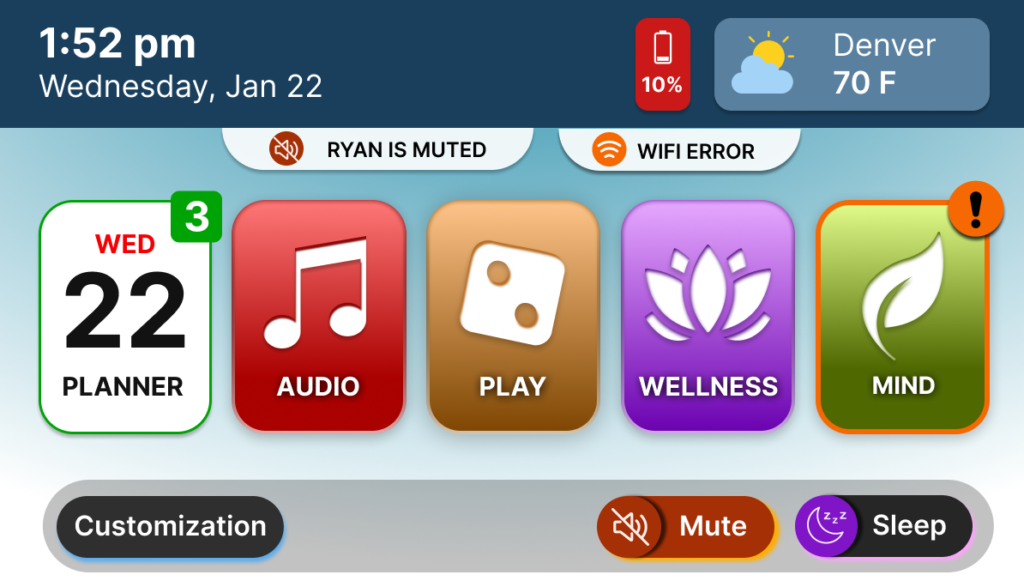
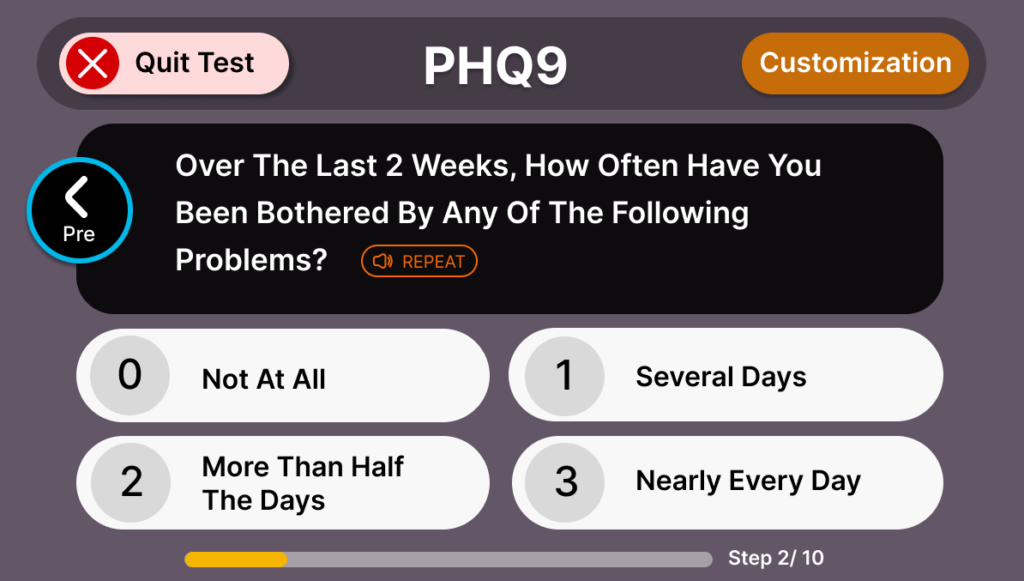
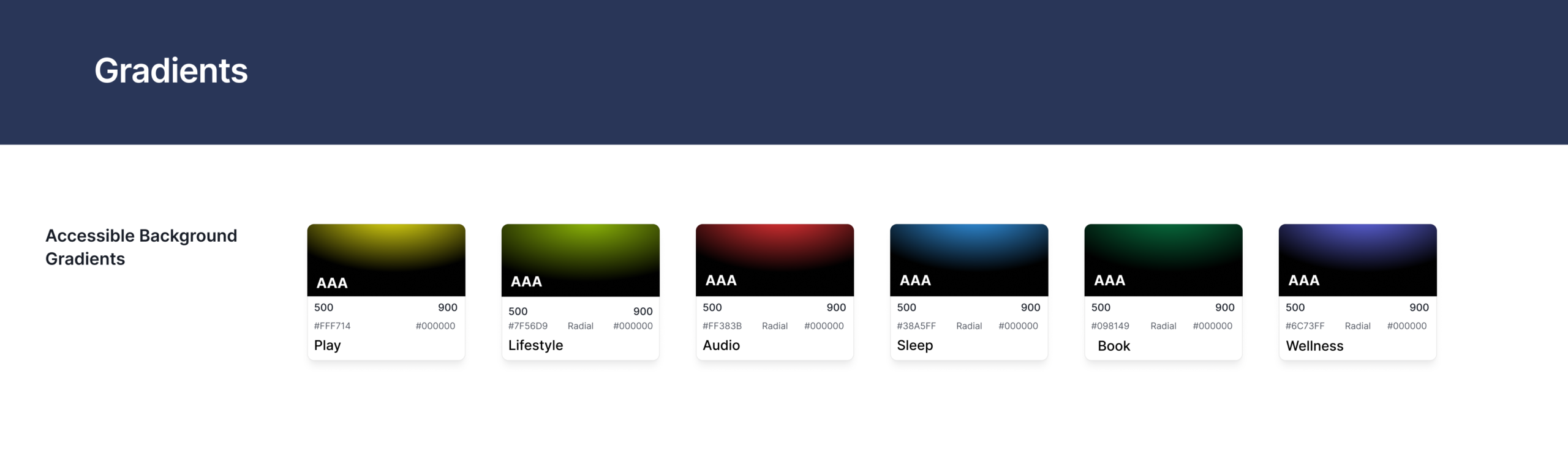
Designed to support aging users with reduced visual sensitivity, the interface uses high-contrast visuals and large, color-coded elements to improve recognition and reduce cognitive effort.
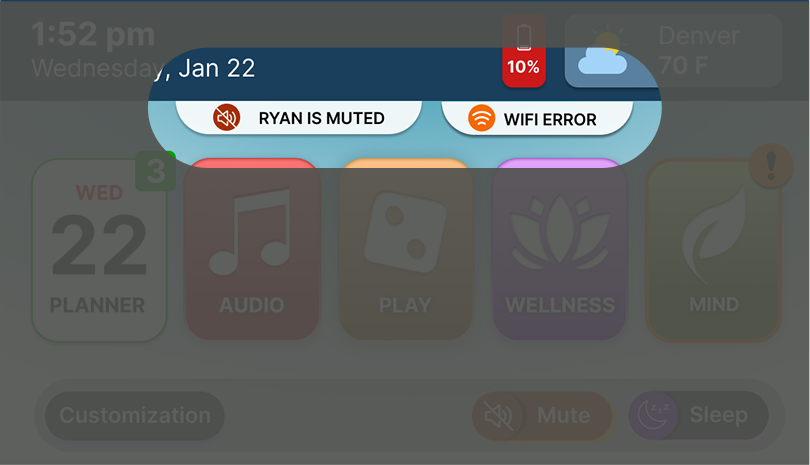
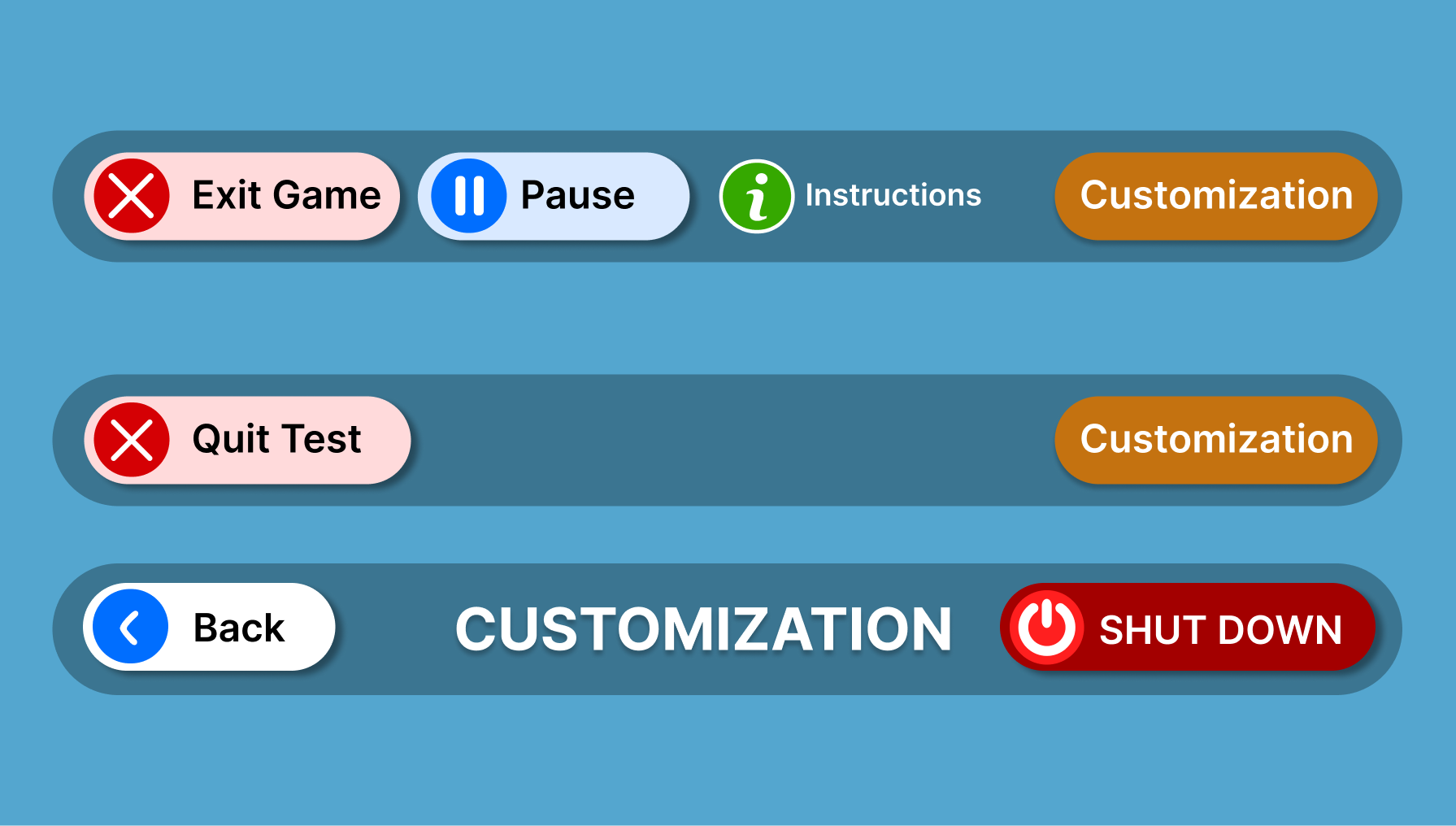
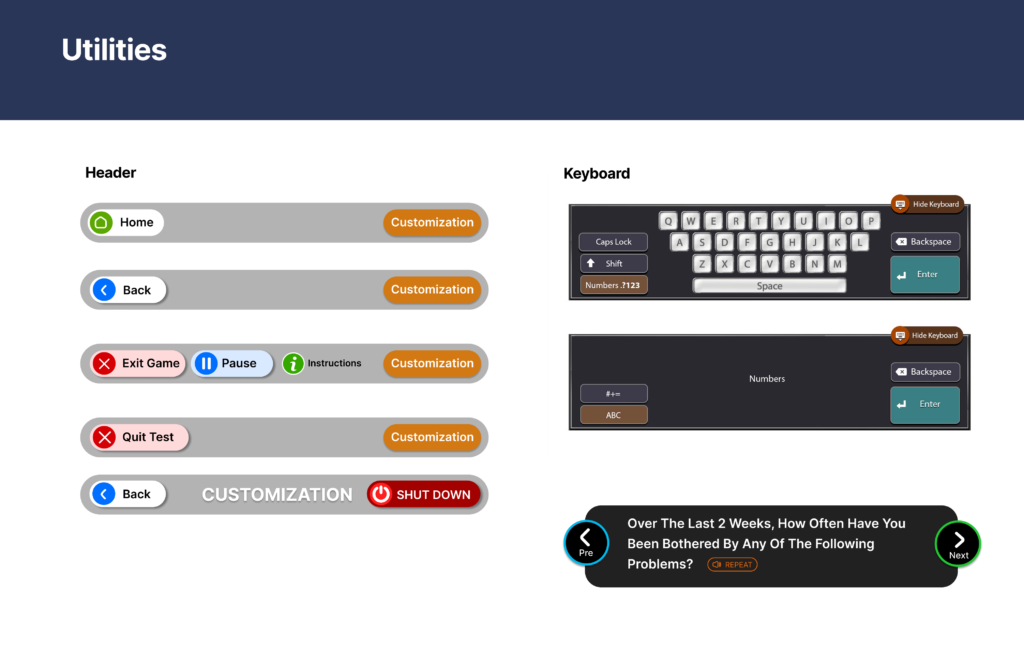
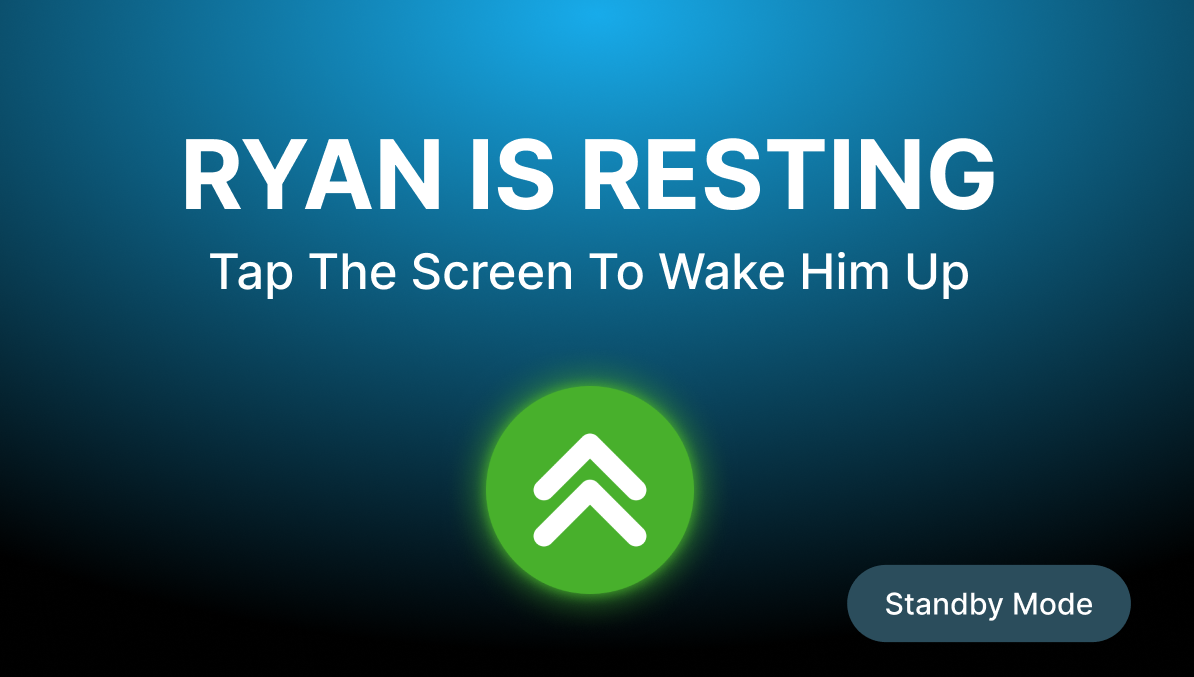
Clarified visual affordances to distinguish actions from system status, reducing confusion and improving system understanding at a glance.
Clear Labels
Encoding features (icon+text)
Led the redesign of navigation to surface key features, making them easier to find and reducing cognitive effort for users.
Moving to a Flat Information Architecture (IA) eliminated navigation anxiety, allowing seniors to recover from errors and return ‘Home’ with a single, persistent action.
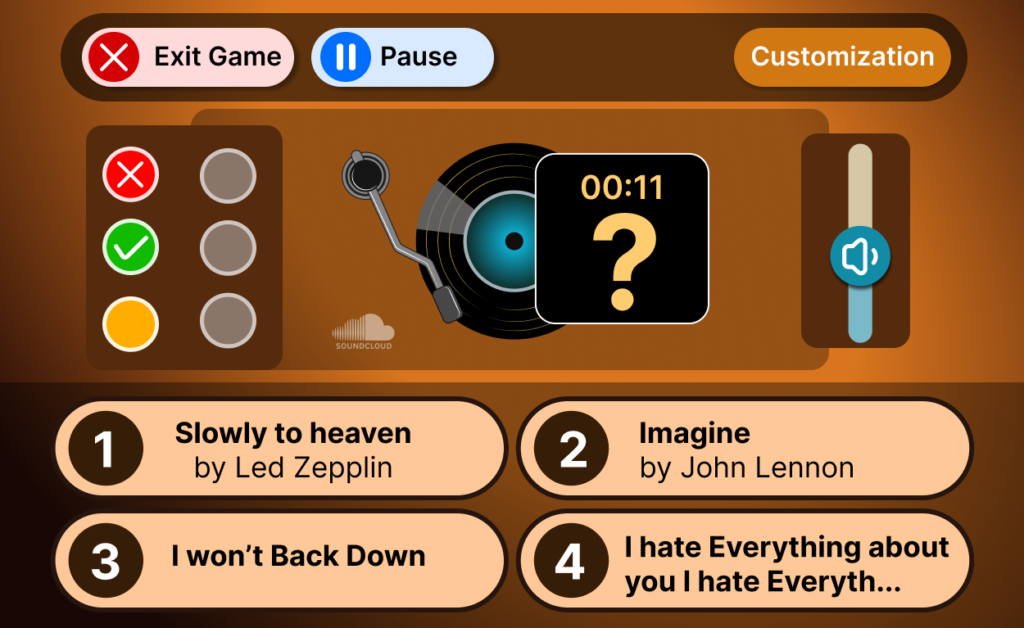
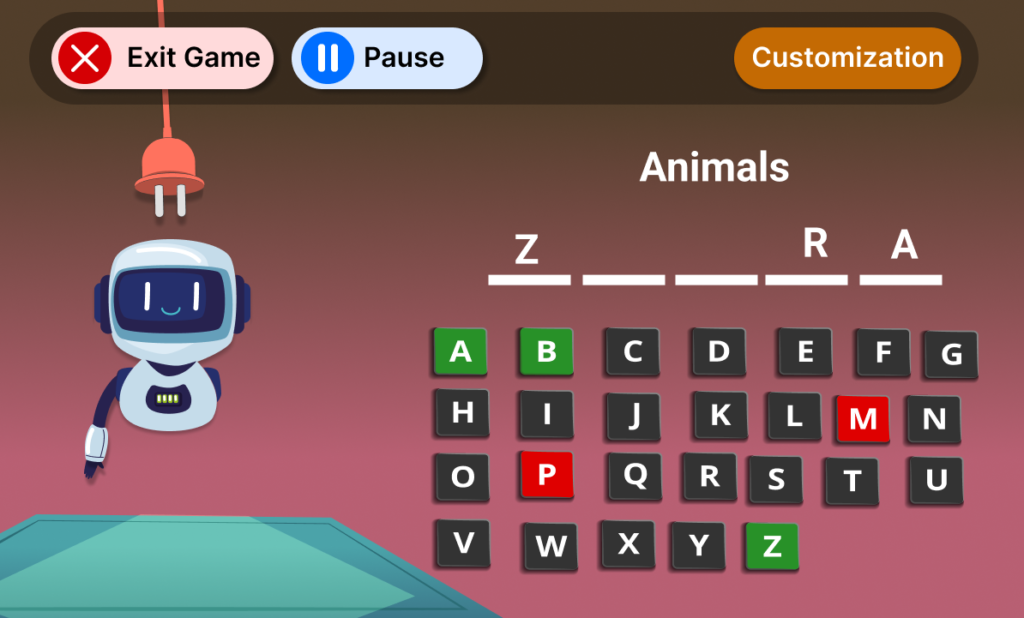
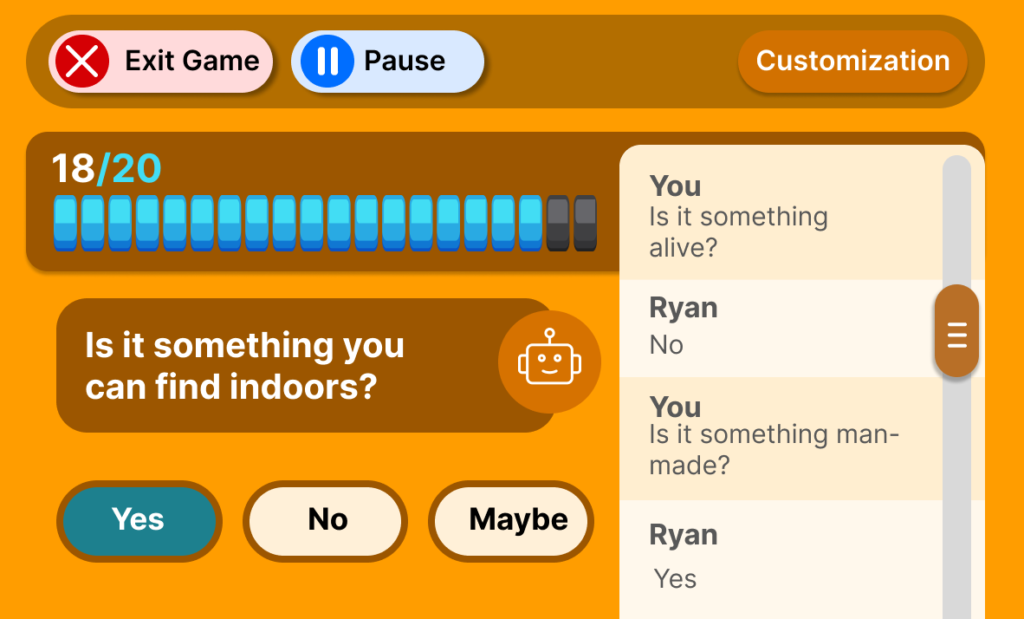
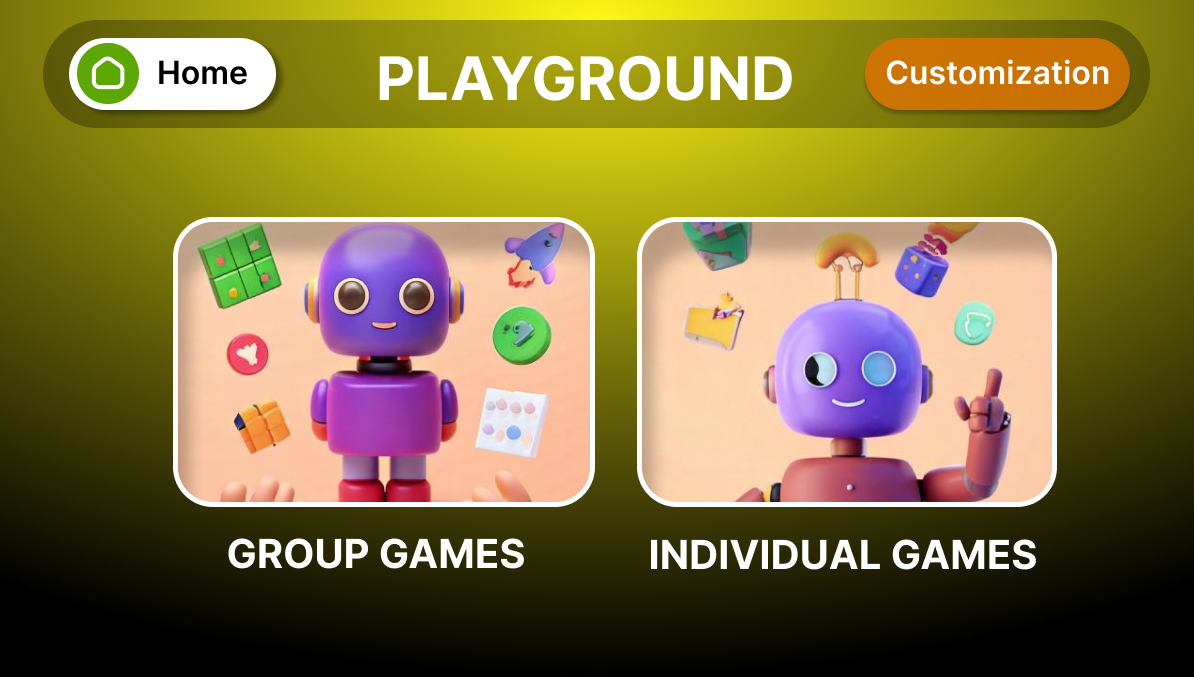
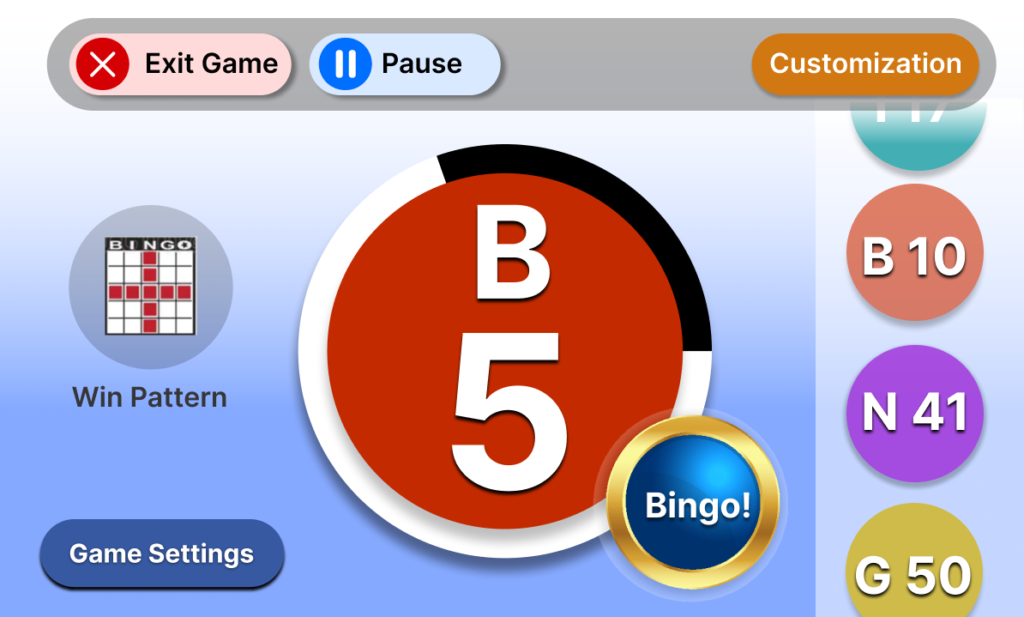
Redesigned the UX and interface of familiar group games to fit the robot’s interaction model, with simplified controls, clearer visuals, and structured flows to support accessibility and engagement for older adults.
Name That Tune
Audio-based song guessing with clear answer choices
Hangman
Letter guessing with instant visual feedback
Guess 20
Guided Q&A interaction with clear decision options
Bingo
Robot calls numbers; UI helps users follow and respond
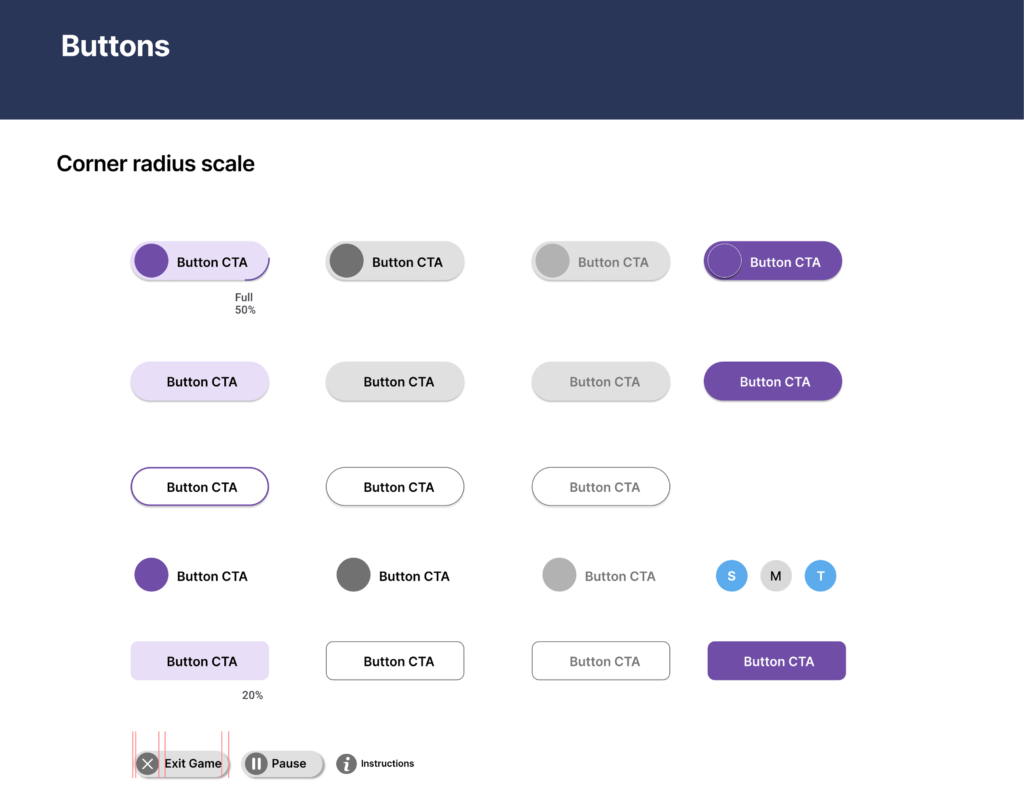
Apple HIG
Standard
Standard
Ryan UI
Primary actions
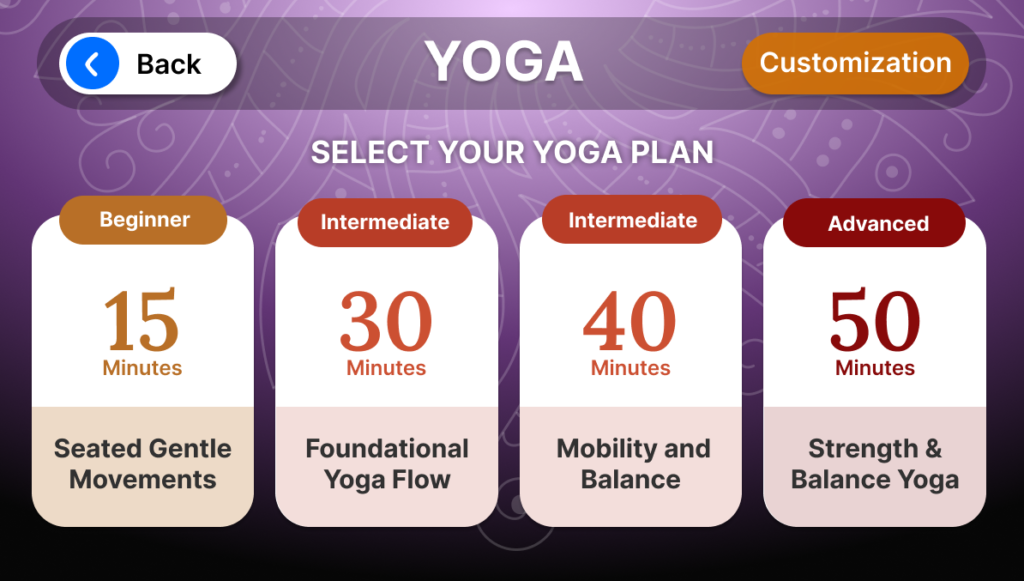
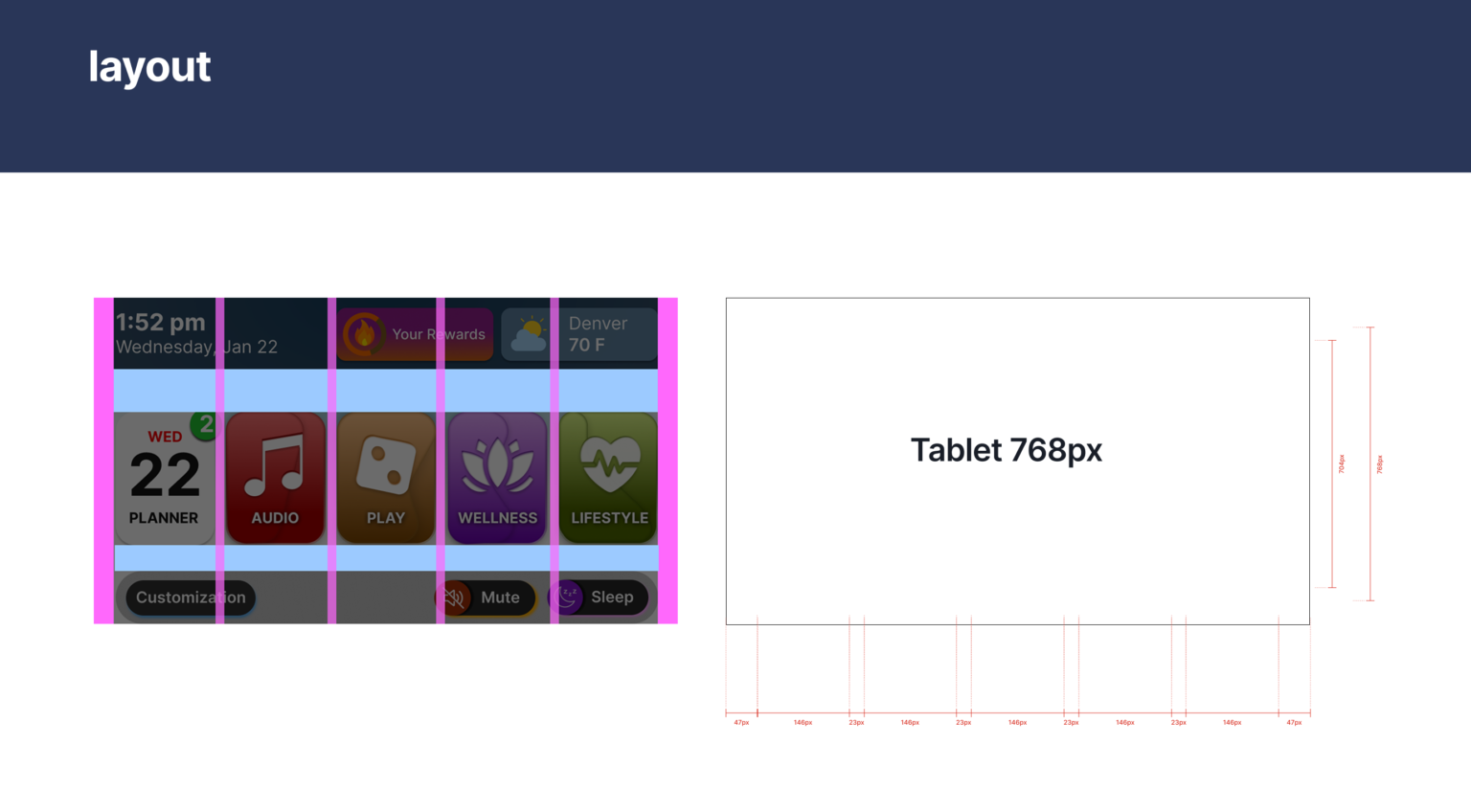
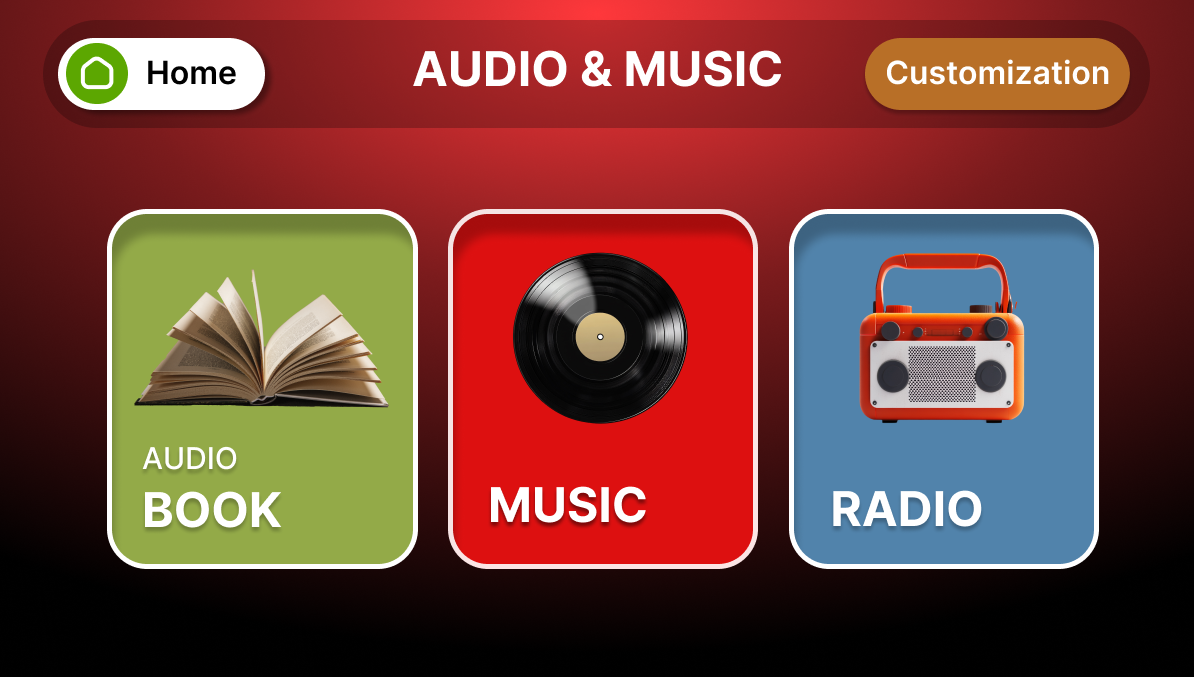
Clear navigation, large touch targets, and color-coded categories help users quickly understand where to start and where they are.
Designed a simplified navigation structure with large, color-coded categories to improve discoverability and reduce cognitive load.

From ~30 min to ~1.5 hours per day over a 3-month period

Key functions became easier to find and use

Clear system feedback improved understanding of system status

Users felt more comfortable interacting with the robot